Air Buns Recipe with Yeast
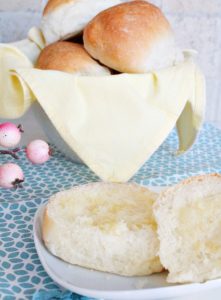
These homemade air buns are light, airy, and so much better than the buns you buy at the grocery store. They are a fantastic addition to any special meal or large gathering. If you’re intimidated by baking with yeast, you’re in the right place. This step-by-step tutorial walks you through mixing, kneading, shaping, and baking your own fresh homemade buns.
I have been making this air bun recipe for about 40 years. You don’t need a bread machine or stand mixer, just a large bowl, a wooden spoon, and some baking pans. It’s one of those great recipes that’s been around for generations. Although the dough is mixed and kneaded by hand, the hands-on preparation only takes about an hour total. The dough also needs several hours to rise, so plan to make these buns on a day when you’ll be home.
Difference between Rolls and Buns
Rolls and buns are similar, and the names are often used interchangeably. Here in Canada, we commonly call them buns, while American recipes often call them dinner rolls. Both names work for these homemade air buns.
Buns are a loved treat that cost pennies to make and dollars to purchase. If this is your first time making homemade buns, I hope you give this air bun recipe a try. Once you make homemade buns the first time, it will seem quite simple the second time.

Homemade Air Buns Recipe
Air Buns Ingredients
This recipe uses a few simple ingredients, added to the bowl at different stages. I’ve already separated the measurements for you.
- 1 pkg active dry yeast (2 1/4 tsp, traditional yeast)
- 1/2 cup lukewarm water
- 1 tsp white sugar
- 1/2 cup lard
- 1/2 cup white sugar
- 1 tsp salt
- 3 1/2 cups lukewarm water
- 1 tbsp vinegar
- 9- 10 cups all-purpose flour
Directions for Homemade Air Buns
The first step is to clean your counter well. You’ll be kneading the dough directly on it, so you want the surface very clean.
Water Temperature
Bread and bun recipes call for warm water, which isn’t always descriptive enough. The water should feel comfortably warm on your skin, like a baby’s bath water, rather than hot. For softening the yeast, aim for about 115°F if you’re using a thermometer.
Step 1: Soften the Yeast
Traditional yeast needs to be softened in warm water. Take out a large mixing bowl. Make sure the bowl is at a warm room temperature. My steel bowls tend to be cold, so if yours feels cool, swirl some hot water in it, then empty it. A cold bowl can lower the temperature of your yeast mixture.
In the large mixing bowl, add 1/2 cup lukewarm water, and mix in 1 teaspoon of sugar. Then sprinkle the yeast over the top. Let sit for 10 minutes until the yeast is soft and foamy.

Step 2: Mix the Dough
In a second large, warm bowl, add 3 1/2 cups lukewarm water, 1/2 cup lard, 1/2 cup sugar, and 1 teaspoon salt. Stir together using a large wooden spoon until the lard melts.
Pour this mixture into the bowl with the softened yeast, then add 1 tablespoon of vinegar. Stir.
Add the all-purpose flour two cups at a time, stirring the mixture with a sturdy wooden spoon after each addition. Make sure your flour measurement is accurate. Scoop the flour into your measuring cup, then level off the top with a knife.
Once you have added 8 cups of flour, add one more cup and work it into the dough. By now your dough is getting pretty thick. It’s likely too heavy to continue with a wooden spoon. It’s time to start working it with your hands.


Wash your hands and sprinkle a little bit of flour on top of the dough. Slide your hand under the dough and fold it over into the middle. Turn your bowl 1/4 turn and fold the dough over again.
Repeat the process until most of the flour has worked its way into the dough.

Step 3: Knead the Dough
Once the flour is incorporated, sprinkle 1/2 cup of flour onto a clean counter. Keep another half cup nearby for dusting the dough or the counter if it gets sticky. Spread the flour lightly over the counter, then place your dough on it. Begin kneading by pulling the dough up from underneath and folding it over. My pictures show one hand because the other was holding the camera, but the process is the same.

Once the dough is folded over, push down and forward with the heels of your hands.

Turn the dough 1/4 turn and repeat this process for approximately 8 to 10 minutes. Occasionally take some of the reserved flour and sprinkle it on top of the bun dough. Lift the dough and spread the flour on the counter again as needed before continuing.
How to Tell When the Dough Is Kneaded Enough
It’s rather hard to explain, but the dough will tell you when it’s been kneaded enough. I am certain the pictures will help, but here are some old lady tips. As you knead your dough, it will become less sticky. The gluten will develop, making your dough less like a heavy lump and more smooth and elastic. Most of the flour on the counter will work its way into the dough.
Eventually, when you fold the dough over, the flour will no longer stick to the dough ball. You will also notice most of the flour you spread on the counter has been incorporated into the dough. This is when I quit kneading.
Step 4: Let the Dough Rise
Clean the large dough bowl and your dough-covered hands. Grease the inside of the bowl with butter, using a bit of plastic wrap or wax paper. Place the bun dough in the greased bowl with the smooth surface on top.
Notice in the next picture how much smoother the dough is now than when I began to knead it.

Cover with a clean kitchen towel and place in a warm spot away from drafts.
Let it rise for about 2 hours. The dough ball will look really light and airy. To check if it’s risen enough, gently press two fingertips into the dough. If the dents remain, it’s time to punch down the dough.

Punch the dough in the middle with your fist. Fold the sides up and over as you did when kneading. The dough will be even smoother and larger than when you first put it in the bowl.

Step 5: Let the Dough Rise Again
Form the dough into a ball again, with the smooth side on top, and place it back into the greased bowl.
Cover with a clean towel and place in a warm spot away from any drafts. Let rise for about one hour, until it doubles in size.
Step 6: Shape and Pan the Buns
Once your dough has risen the second time, it’s time to form and pan the buns. There are all sorts of ways to shape the dough, but for this recipe, I’ll show you how to make crusty buns or soft dinner rolls.
For crusty buns, form the dough into small balls and place them on a parchment-lined baking sheet, a couple of inches apart so they won’t touch as they rise and bake. That is how I baked mine.
To make old-fashioned dinner rolls, you will need two 9 by 13 inch pans or three well-greased cake pans. Place the balls of dough 1 inch apart in the pans. As they rise, the sides will touch, giving you soft-sided buns.
Both styles of buns are formed the same way, so let’s carry on.
How Big Should a Dinner Roll Be?
My family likes their buns big, about 3 to 4 inches across once baked. If you want your buns smaller, pinch off pieces of dough about the size of a large egg.
Again, make sure to wash your hands. Take hold of a small portion of dough, making sure the smooth side is on top.
Then pinch it off with your hand as you see in the picture. Tuck the pinched edge underneath to form a small ball, and place it on the baking sheet or in the prepared pan.

Step 7: Let the Buns Rise
Once your buns are shaped and laid out on the pan, let them rise for about two hours, or until they double in size.

Step 8: Bake the Buns
Preheat the oven to 400°F. Bake for 10 to 15 minutes, until golden brown.

Once golden brown, remove the buns from the oven and place them on a wire rack or clean towels to cool. If you want soft tops, brush the buns with melted butter as soon as they come out of the oven.
If you like a crusty roll, skip the butter.
Air Buns Recipe with Yeast
Ingredients
- 1 pkg active dry yeast traditional yeast, 2 1/4 tsp
- ½ cup lukewarm water
- 1 tsp white sugar
- ½ cup lard soft at room temperature
- ½ cup white sugar
- 1 tsp salt
- 3 ½ cups lukewarm water
- 1 tbsp vinegar
- 9-10 cups al-purpose flour
Instructions
- Make sure your bowl is warm. If it isn't, swirl some hot water in it, then empty it.
- Add 1/2 cup lukewarm water to the bowl and mix in 1 teaspoon of sugar. Sprinkle the yeast over the top. Let soak for 10 minutes until the yeast is soft and foamy.

- In a second large, warm bowl, add 3 1/2 cups lukewarm water, 1/2 cup lard, 1/2 cup sugar, and 1 teaspoon salt. Stir together until the lard melts.
- Add the softened yeast to the lard mixture, then add 1 tablespoon of vinegar. Stir to combine.
- Add the flour two cups at a time, stirring after each addition.

- Once you’ve added 8 cups of flour, add one more cup. By now, the dough will be getting thick. Wash your hands, then slide your hand under the dough and fold it over into the middle.
- Continue folding the dough into the middle, turning the bowl 1/4 turn after each fold, until most of the flour is incorporated.
- Once all the flour is incorporated, sprinkle 1/2 cup of flour onto a clean counter and keep another 1/2 cup nearby for dusting as needed. Place your dough onto the floured counter and knead for 8 to 10 minutes, folding it over, pushing down and forward with the heels of your hands, and turning it 1/4 turn. As you knead your dough, it will become less sticky. Eventually, when you fold the dough over, the flour will no longer stick to the dough ball. This is when I quit kneading. Your dough should be a nice round ball.
- Clean the large dough bowl and your dough covered hands. Grease the inside of the bowl with butter. Place the dough in the bowl with the smooth surface on top. Cover with a clean towel and place in a warm spot away from drafts.
- Let rise until doubled in size, about 2 hours.
- Punch the dough down, fold the sides into the middle, and form it into a ball again. Cover and let rise until doubled in size, about an hour.
- Shape the dough into balls. For crusty buns, place them a couple of inches apart on parchment lined baking sheets. For soft dinner rolls, place them 1 inch apart in well greased pans.
- Let the shaped buns rise for about 2 hours, or until doubled in size.
- Preheat the oven to 400°F. Bake for 10 to 15 minutes, until golden brown.
- Remove the buns from the oven and transfer to a wire rack or clean towels to cool. For soft tops, brush with melted butter as soon as they come out of the oven. For crusty buns, skip the butter.


Notes
- Use traditional active dry yeast, not quick-rise or instant yeast
- Rising times are approximate and will vary with the temperature of your kitchen. Let the dough double in size at each rise.
- Scoop the flour into your measuring cup and level it with a knife. Use only as much of the reserved flour as needed when kneading.

Other Yeast Roll Recipes You May Enjoy

Overnight Butterhorn Rolls
Butterhorn rolls are a special treat for mornings and are unbelievably good served warm right out of the oven. You can make my butterhorn rolls recipe the night before, then finish and serve them in the morning. This is a special recipe and very much appreciated every time I make it.

Hot Cross Buns Recipe
My hot cross buns recipe is classic with a twist. My family doesn’t like candied peel, so this recipe leaves it out. Instead, it uses dried fruits and oranges.
the written recipe does not say how long to let the dough rise nor what temperature to bake at.
Thank you. I check out the post and that information was missing on the recipe card. I have added it, thank you for letting me know.
Thanks for this tutorial. My Mom used to make air buns and now it is my turn. Her recipe calls for oil instead of lard, otherwise they are identical. So now my children are wanting to make them so this is perfect!
Hi Karen. I am glad to hear from you. Your family will love this recipe, and swap out the lard for the oil in equal amounts. I hope your family loves them as much as mine does.
These buns look delicious.! Great detail in the tutorial as well. Love it!
Great stuff! I am glad to know the tutorial was thorough. When baking especially its often something I am so use to doing that it was hard to decide what is helpful to share.